Description
Careturner – repositioning system
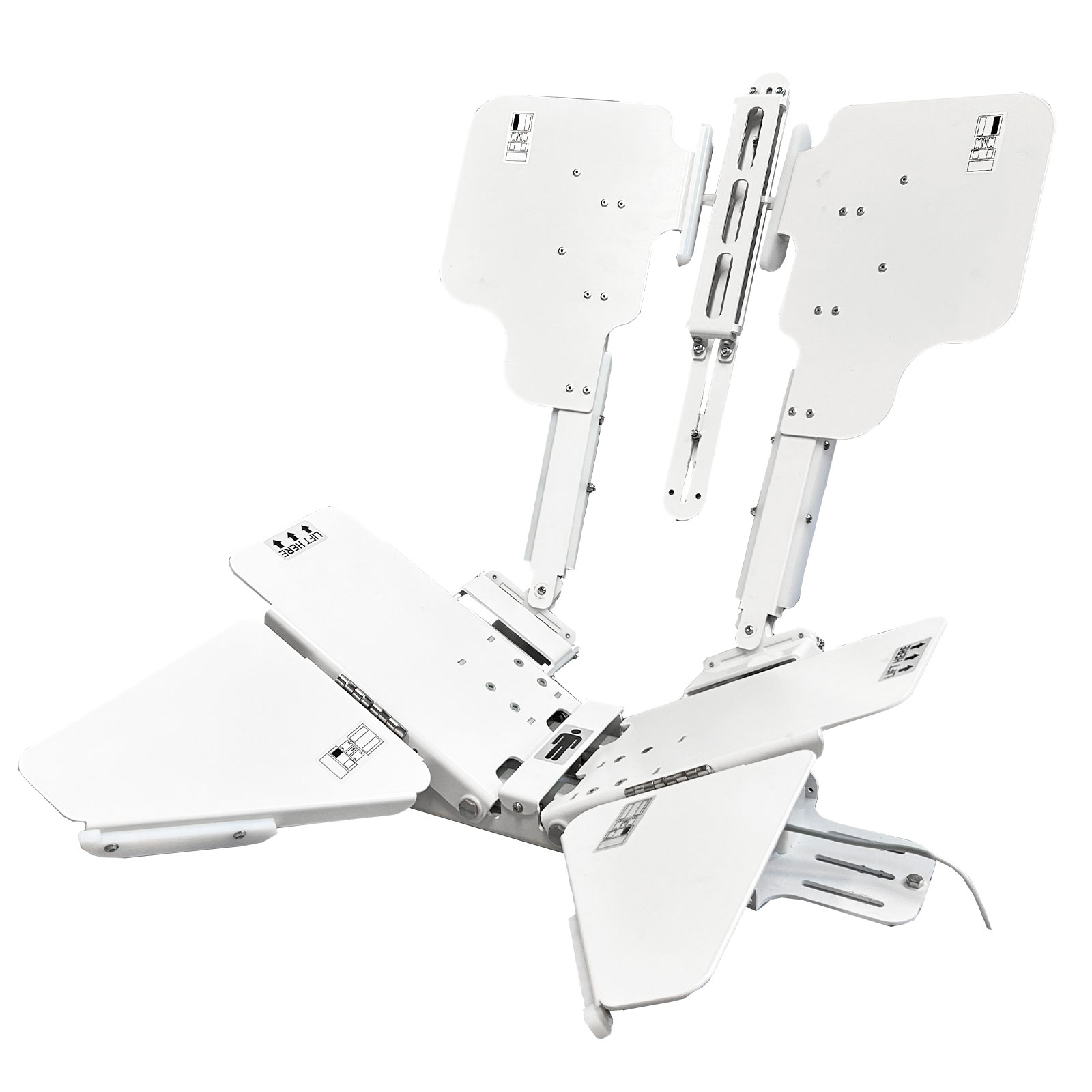
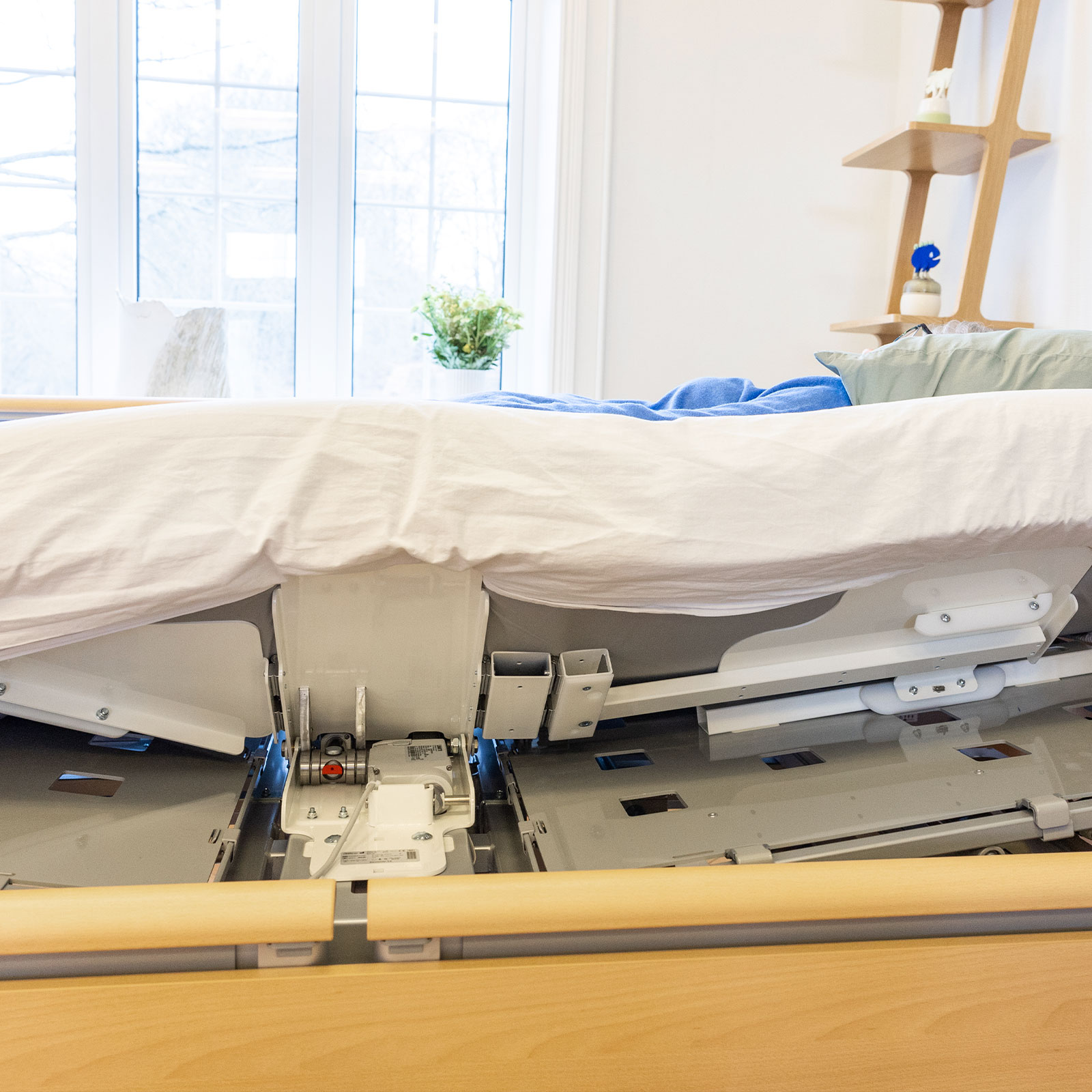
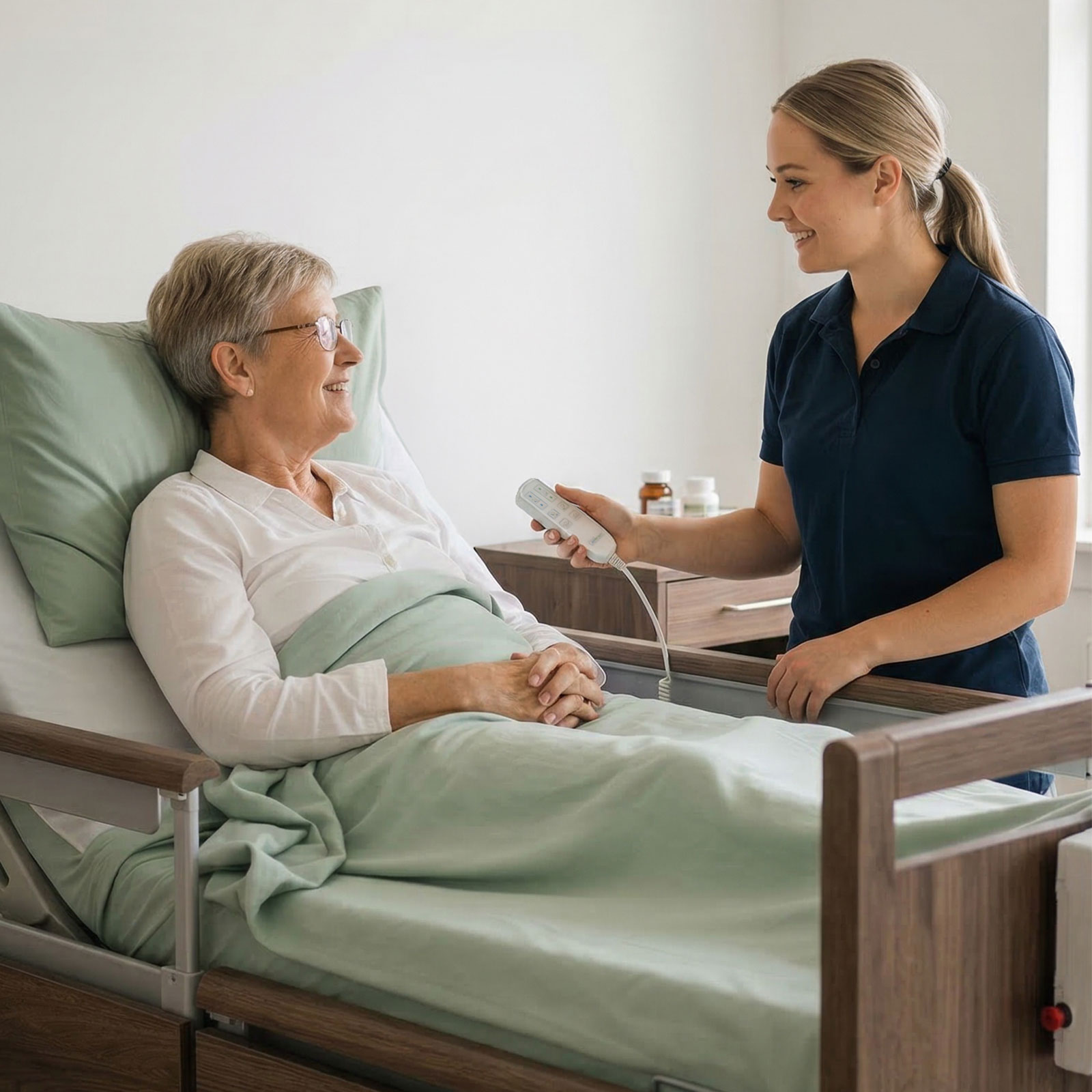
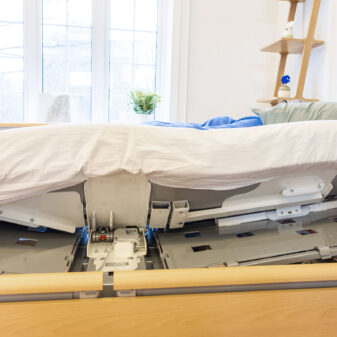
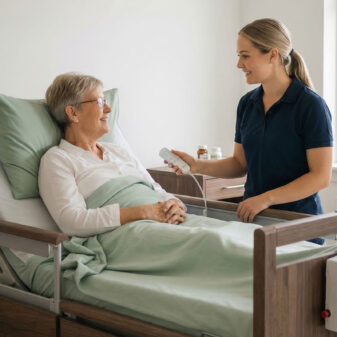
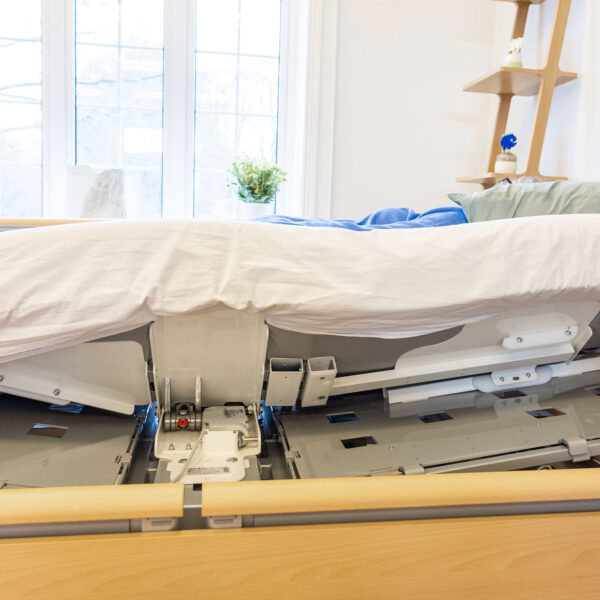
Careturner is a tilting and repositioning system designed for automated and individual repositioning of patients and residents, with the aim of preventing pressure ulcers, ensuring gentle handling, and improving comfort.
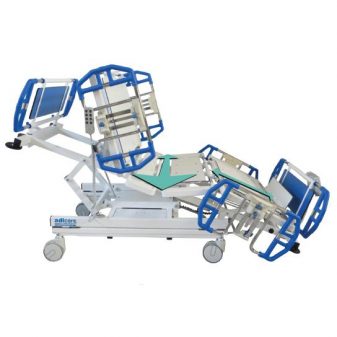
The system is mounted on care and hospital beds and operates with slow, controlled movements without noise or vibration. This ensures stable positioning and allows the patient to rest and sleep undisturbed.
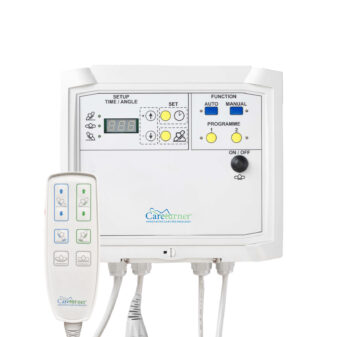
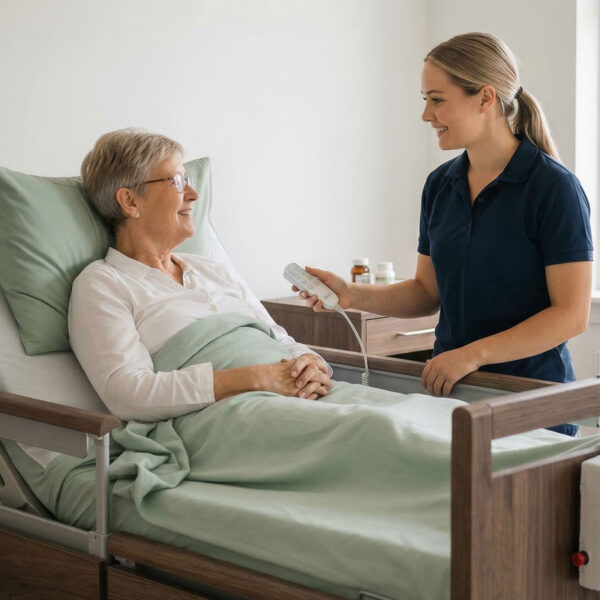
Careturner can be used both manually and automatically, supporting daily care, transfers, and continuous repositioning.
Functions and Settings
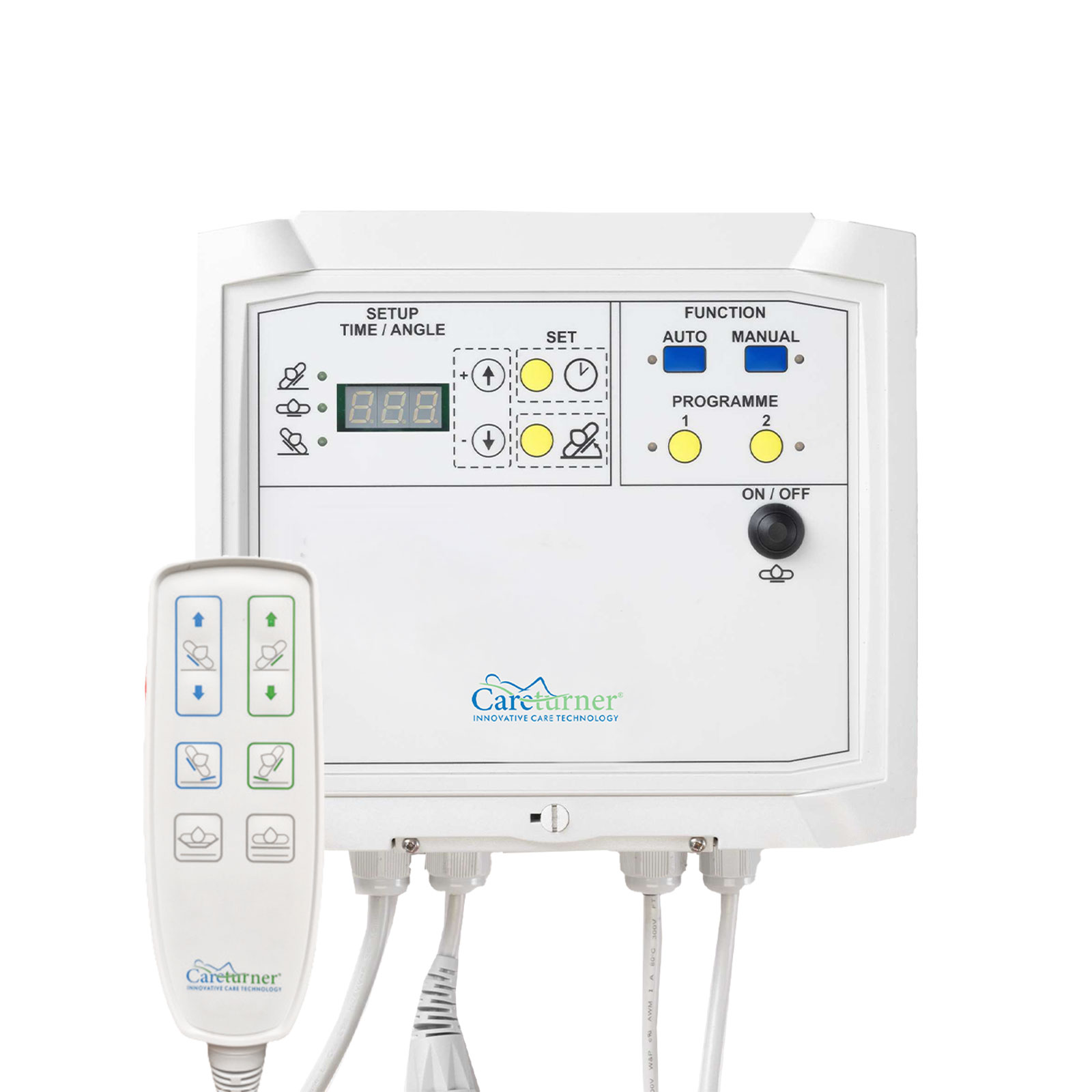
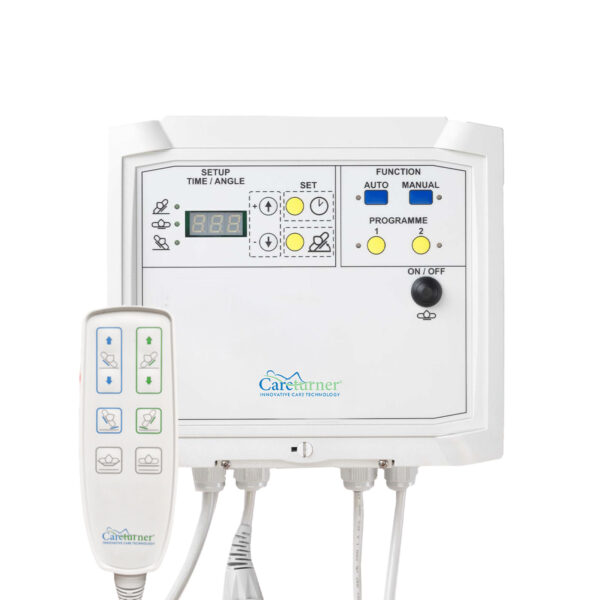
Careturner allows individual adjustment of both timing and angles, enabling repositioning to be tailored to each patient’s needs:
- Adjustable repositioning intervals from 0–180 minutes
- Automatic tilting angles from 0–40°
- Manual function with movements up to 70°
- Option to offload one side (left, right, or back)
- Counterhold from 0–12° to reduce shear
- Timer function for scheduled start
- Pause function (30 minutes) for temporary manual care
This flexibility makes it possible to work systematically with both pressure relief and patient comfort in daily care.
Benefits of Careturner
- Automated repositioning reduces the need for manual turning
- Minimises physical strain and heavy lifting for care staff
- Supports pressure ulcer prevention through continuous movement
- Silent operation without vibration ensures calmness and better sleep
- Enables one-person handling in multiple care situations
- Frees up time for other care and nursing tasks
Clinical Applications
Careturner is particularly suitable for patients and residents who:
- Have reduced mobility or are bedridden
- Are at risk of or have pressure ulcers
- Require frequent and planned repositioning
- Experience pain during manual turning
- Are affected by agitation, delirium, or cognitive challenges
The system is widely used in dementia care, home care, palliative care, rehabilitation, and intensive care.
An Integrated Part of Care
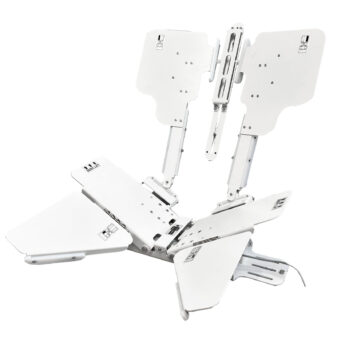
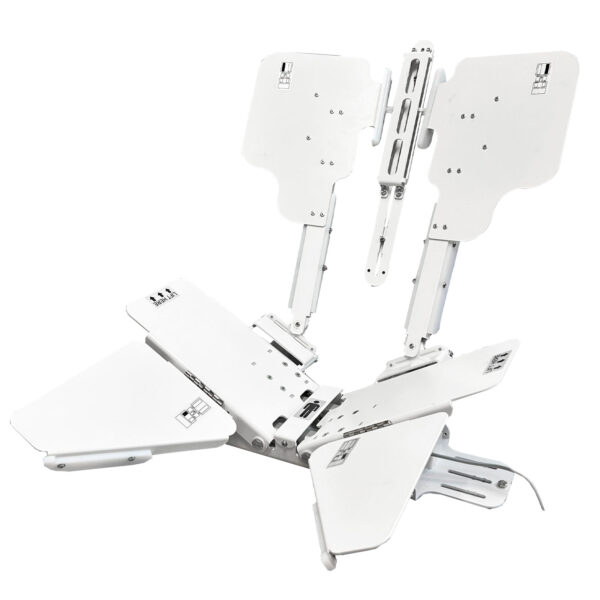
Careturner follows the movements of the bed and can be used without affecting other functions. The system is easy to install and integrates naturally into existing workflows.
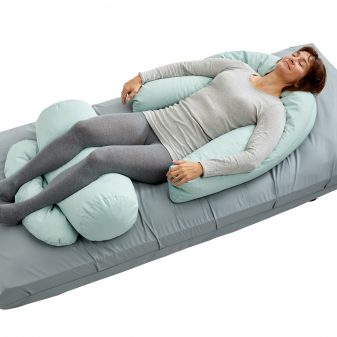
At the same time, the wings can be raised to support the patient, creating a cocooning effect that enhances comfort and a sense of security.
Documented Effect
In close collaboration with Regional Hospital Gødstrup and North Zealand Hospital, a clinical test programme was conducted to document the effects of Careturner on both working environment and patient outcomes. The documented results include:
- 36.7% reduction in the use of pressure-relieving mattresses
- 54.3% reduction in the use of psychotropic medication
- 25% reduction in the use of pain medication
- Staff report fewer new pressure ulcers and improved wound progression
- Fewer manual repositionings – often reducing the need from two caregivers to one
You can explore what healthcare professionals from Regional Hospital Gødstrup and North Zealand Hospital experienced in practice here:
Cross-regional hospital project with Careturner